
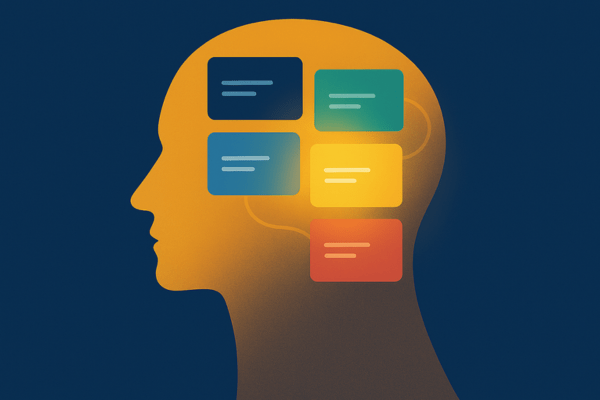
Image Source: Generated by Copilot
When you gain enough self-awareness to realize that it’s your job to create an environment that meets your needs, it lights a new fire in you. Being imprisoned in a culture that pushes you to primarily interact with screens instead of using your imagination is ruining your attention.
There’s a strong body of evidence that supports this claim as one of the biggest problems for children. I am going to spend a few minutes taking it one step further by explaining how this applies to anyone and why you need to demystify motivations and be wary of becoming a jack of many trades, but master of none.
Demystifying Motivations
Decades of research and thousands of studies have proven there are two types of primary motivation. Intrinsic and Extrinsic. Johann Hari, author of “Stolen Focus: Why You Can’t Pay Attention – How to Think Deeply, uses a great metaphor of a runner to explain the contrast of these two motivations.
“If you go running in the morning because you love how it feels, the wind in your hair, the sense that your body is powerful, that’s an intrinsic motivation. Now, imagine you go running because you have a drill sergeant dad who forces you to go with him. Or you go running to post a shirtless video on Instagram for the likes. This is an extrinsic motivation. You are not doing it because the act itself gives you pleasure or fulfillment.”

Image Source: NPR
The author and researchers he’s interviewing about this concept conclude that it’s easier to focus and stick with it when your motivations are intrinsic.
When I think about my extrinsic and intrinsic motivations, I couldn’t agree more. One of my intrinsic motivations is playing Pickleball. I play regularly, not to impress anyone specifically or get something out of it, but because I truly enjoy the game. I’ve noticed my attention on the court is very sharp, and I am steadily improving over time because I am focused. In contrast, one of my extrinsic motivations is going to the gym. I don’t go out of pure joy of working out; my main motivation to go is to get in better shape and stay healthy. During the digital detox experiment several weeks ago, I really noticed the contrast when I would find myself on my phone in the gym with minimal attention and focus on the exercises.
I believe creating a balance of intrinsic and extrinsic motivations is one of the best ways to regain your attention and focus.
Jack of Many Trades, Master of None
Throughout life, you’re exploring hobbies to develop passions, and just like how seasons come and go, so do your hobbies – especially throughout childhood as you’re establishing an identity.
When thinking about how to regain focus and attention while reducing anxiety and stress, regardless of age, one thing comes to mind for me. Setting attainable goals. According to an article from NPR, practicing these skills can help build a reservoir of positive energy that you can draw on when it’s time to cope with challenges or annoyances.

Image Source: NPR
This article cites further evidence from neuroscience research that shows repeated practice of certain positive emotions can even change our brains.
Although the idea of freedom and confinement mentally and physically is one of the biggest challenges children face today regarding their attention and focus, I believe it’s something impacting people of all ages.
One of the best things you can do is take a step back and demystify intrinsic and extrinsic motivations to understand how to harness the positivity of both types in your life. Also, avoiding falling into the trap of letting an environment convince you that you’re a jack of many trades, master of none, will help you get one step closer to regaining your attention, deepening your focus, and not letting anyone or anything hinder your creativity, social bonds, or lust for life.













 Kyle Adams POV