
Image Source: Generated by ChatGpt
From the loud sirens, car horns, and hustle and bustle of working all day trying to grab a quick bite to eat at a street vendor outside of your city office, to the warmth of family laughter, smell of tomato sauce, and sitting at table bumping elbows waiting for an Italian family-style meal, food is a universal love language and no matter where you are, what you are eating, and who you are doing it with, there’s a story to tell.
Stillness at Midnight After Meals
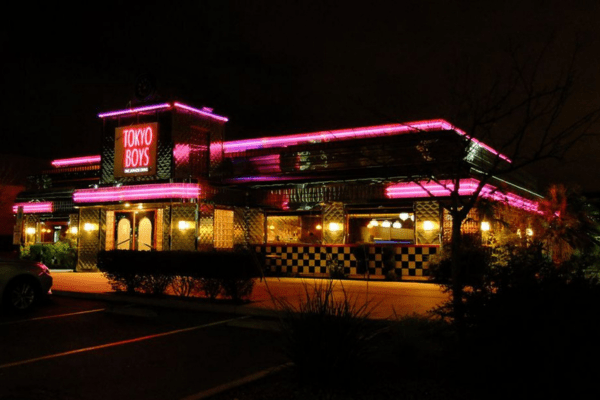
Image Source: Pikwizard
Restaurants serve as windows into culture, emotion, and authentically show us who people are and what they value. When it comes to diners, they serve as an American cultural icon of escapism. Maybe you’ve had a long night and want to indulge in that big omelet breakfast you couldn’t have because your boss needed you in the office early this morning, or you’re looking for somewhere to go on a Saturday night with your high school friends after the movies. The ambience of diners and this specific image lean into the second principle of visual storytelling, sensory. In a world that’s moving at a million miles a minute, the soft lights, cushioned booths, and brightly colored interiors create a sense of safety and reprieve. Let’s juxtapose this by looking behind the scenes of a restaurant.
Behind the Pass: Pressure Meets Precision
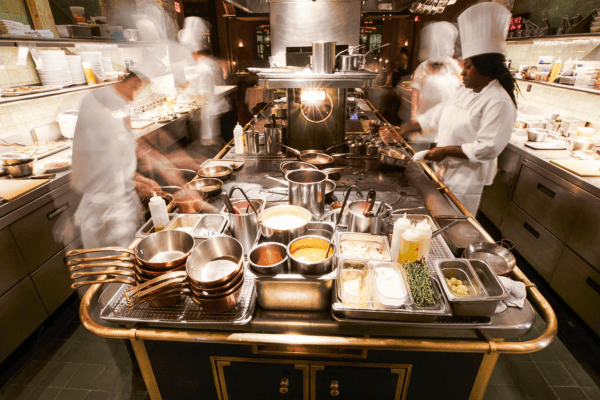
Image Source: Bon Appétit
It’s the responsibility of a restaurant’s staff to control the chaos by orchestrating a perfect culinary symphony. Customers don’t see the grueling number of hours line cooks and their teams put in to unpack deliveries, prep all day, do research and development to refine a menu, and everything else in between to create magical memories for patrons. This is a glimpse of the culmination of all those hours of grit, sweat, tears, laughter, and smiles. What you see in this image is a dramatic storytelling technique. There isn’t much to interpret, and we are completely absorbed in the action, the line cooks prepping food. Shifting gears, it’s time to look at another image that evokes a different feeling.
Pausing Before Pouring: A Morning Routine
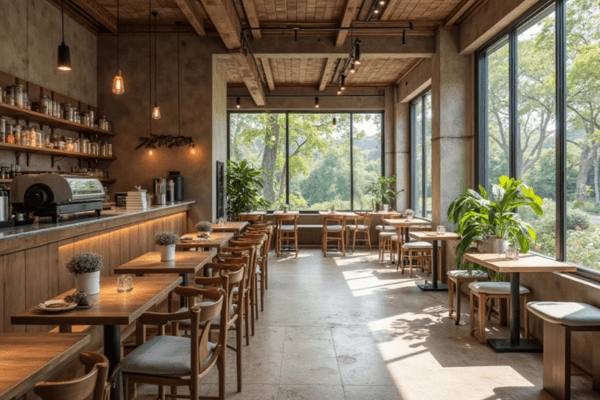
Image Source: SIPTHESTYLE
Finding your version of peace and quiet to start your day is one of the best things you can do to boost your mood. For lots of people, that’s grabbing a cup of coffee or tea at a café like this one. Designing a café with large windows to let lots of natural sunlight in and outfitting its interior with plants and warm earth tone colors creates a cozy mood. This is the kind of space someone would want to work remotely from. In visual storytelling, creating and capturing a “moment,” a fleeting bit of time that creates emotion and empathy, is one of the toughest things to do. This picture is focused on a very specific moment, the opening of this café.
The Theatrics of Taste

Image Source: Kobé Ichiban
A restaurant experience can be make or break based on the taste of your food and the service. Something that’s often forgotten about or pushed aside? The entertainment factor. Hibachi is one of those restaurant experiences that zeroes in on this. Whether it’s your birthday, a graduation, or maybe an anniversary, this type of restaurant’s main goal is to make you laugh, smile, and take a picture or video to show your friends what you did. The chef’s facial expression and the flame flaring up from the grill capture this emotion perfectly.
Sizzling Sounds Underneath Street Lights

Image Source: Eater
Grit and drive. Those are the first two words that come to mind when you see food vendors on popular boulevards in the downtown of a densely populated city or urban neighborhood. The composition of this picture goes beyond telling a story of just this woman grilling meat. The image gives you contextual clues that she’s in downtown Los Angeles based on following the rule of thirds. You can see the Roosevelt Hotel sign in the upper middle grid and a Hollywood star on the lower right-hand grid.
Conversations Can Come in Small Plates
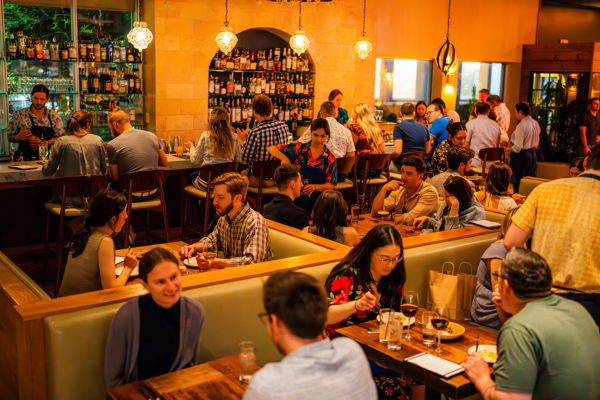
Image Source: Visit Philadelphia
One of the most important visual storytelling concepts is to show, don’t tell. This picture is doing that perfectly. I immediately hear many conversations happening and the noise of a tin shaker pouring a new cocktail into a glass. The yellow, orange, and green colors exude a warm and approachable atmosphere that’s still chic. This picture gives enough context to viewers to think of what type of archetype would dine here. Someone who values higher quality food and beverage experiences, who is maybe trying to get away from their child to have a date night with their significant other. Turning the page, let’s look at one more restaurant picture.
Generations Around the Table: Tradition in Every Fold
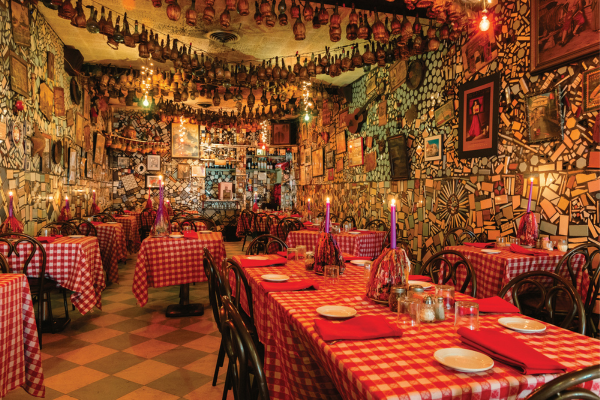
Image Source: Cincinnati Magazine
Generational depth and legacy are woven into the DNA of family-style Italian restaurants. The candles lit at each table, the red plaid tablecloth folded perfectly, this scene represents casual dining that evokes a friendly and homey feeling. This image follows a non-dramatic storytelling framework, created from different perspectives, and requires the audience to complete the picture themselves.
Restaurants, cafes, and food vendors around the world all carry human stories behind every meal and interaction. The smallest details, like the position of someone’s body, where their eyes are looking, and what’s on the table, are visual cues to what the mood of the moment is. When you consider elements of visual storytelling, including composition, sensory feelings, and whether it’s dramatic or non-dramatic storytelling, your connection to that photo is stronger, and you can create a full story to tell.
 Kyle Adams POV
Leave a comment