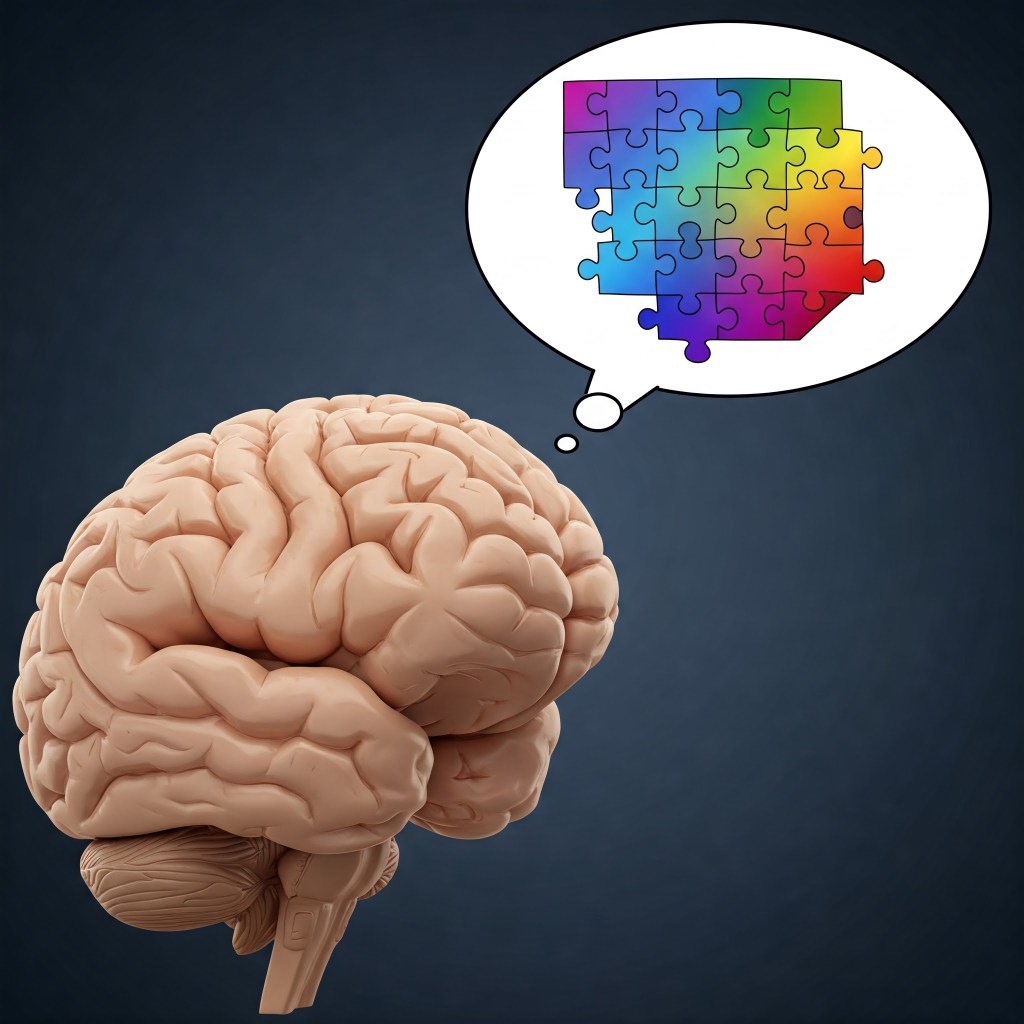
One of the most powerful skills a designer can master is the use of color, specifically the selection and manipulation of color to elicit a particular emotion out of someone. A vast amount of research has proven there’s a consistent response people have to different colors. For instance, yellow evokes feelings of happiness, warmth, and positivity, which makes it a perfect choice for a brand like McDonald’s to leverage and use one of the most popular yellow graphic devices (a smiley face). They also incorporate yellow as a primary choice in their branding, complemented by red to evoke hunger.
To fully unpack color psychology, I’ll use yellow as an example to explain the positive and negative feelings it conveys, what personality the color embodies, and examine how a brand uses it to connect with its target audience.

Image Source: SeekLogo
Context & Foundation
According to Wikipedia, Color Psychology is the study of colors and hues as a determinant of human behavior. A hue is a color in its pure form, without tinkering with the shade, tint, or tone of the color to add neutral colors like black, white, and grey to brighten or darken it.
Another helpful aspect in understanding why a color conveys specific positive and negative emotions is that all colors convey two types of meaning that influence a person’s preferences and behaviors. Referential meaning, which is learned and usually reliant on environmental context, and embodied meaning, which is independent of environment, typically put into effect when exposed to a color.
A great example of referential meaning is when you see yellow on a street sign, you immediately associate it with a potential hazard/danger because of the context. A relatable example of embodied meaning in regard to yellow is warmth because that’s what we all see as the color of the sun.
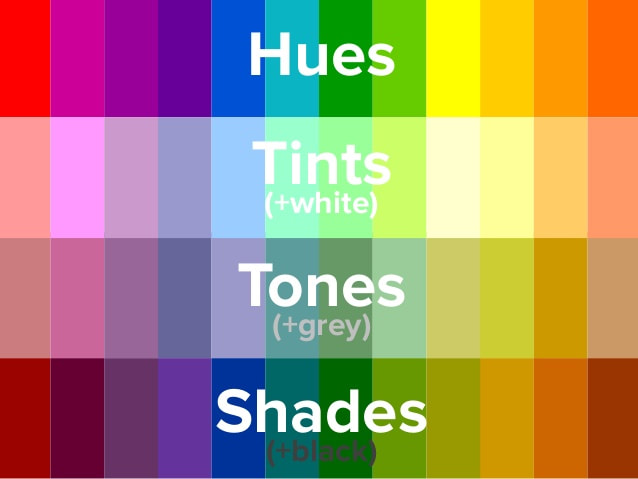
Image Source: Kate Green Designs
Eliciting Emotions
When examining the color wheel, the spectrum shows 12 sections of different colors and their relation to each other. Yellow is one of the three primary colors, meaning it can’t be created by mixing other colors. Because of yellow’s referential and embodied meanings, it’s classified as a warm color, and warm colors are associated with energy, brightness, and action. On the other end of the spectrum, yellow is known for fear, caution, and anxiety. A perfect example of yellow’s negative emotion and its application in the world is yellow being used to signal slowing down at a traffic light. Now that we know more about this color and its spectrum of emotions let’s see how this shapes its personality.
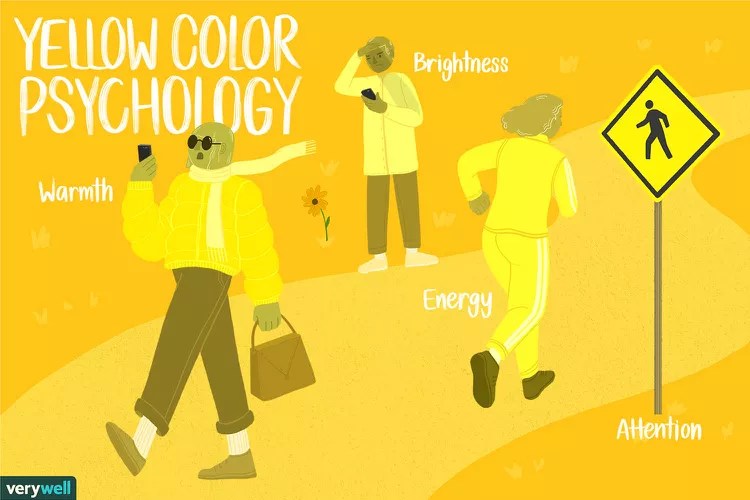
Image Source: Verywell Mind
Personalities can be Polarizing
Despite the fact that yellow represents warmth and energy, the intensity of it can also come off as aggressive and even confrontational. Brands typically utilize yellow to tap into the positive feelings I mentioned. In addition to McDonald’s, one of the better examples is the chain Denny’s, which is known for its breakfast offerings and trying to get customers in the “Rise and shine” mindset at the start of the day.
Learning about the psychology of color and how every color plays a unique role in branding has been incredibly helpful in building a brand that’s more relatable to my target audience. I’m excited to apply what I’ve learned about color to evoke an energetic, welcoming, and passionate personality for this pickleball community.
 Kyle Adams POV
Leave a comment